Buying one Christmas gift for a couple can be practical, but it is easy to choose something that mainly suits one person. The best starting point is a shared interest they have actually mentioned, or a simple experience they can enjoy in their own way.
Think about their circumstances as well as their tastes. A couple moving house may not want another decorative object. New parents may value flexibility. People with demanding schedules may prefer something they can use at home without arranging a special date.
Find an interest they genuinely share
Look for the things they already choose together: cooking, reading, walking, playing games or spending time with friends. You do not need to invent a new hobby for them. If their interests are very different, a gift that allows individual choices within a shared plan can work better than identical items.
For example, you could offer to host a meal based on both their preferences, or arrange a relaxed afternoon together at a time they choose. Avoid assuming that every couple wants a romantic experience or matching keepsakes.
Choose an at-home gift with a complete idea
A small evening-in gift can be useful when it includes a clear activity rather than an assortment of objects. A game they have expressed interest in, a book of recipes they would actually cook, or a selection of familiar favourites can provide a starting point.
Check what they already own, and do not buy specialised equipment without asking. If food is involved, confirm preferences and requirements for both people. Our personal Christmas hamper guide explains how to keep a themed gift focused.
Make experiences flexible and easy to use
An experience is only a good present if the recipients can reasonably attend. Before committing, consider dates, location, transport, accessibility and any extra costs. Check the current booking conditions with the provider if you are buying a ticket or voucher.
When their availability is uncertain, offer a clearly described invitation and arrange the details together. “I would love to take you both for lunch; let us choose a weekend” may be more welcome than a non-refundable booking that clashes with their plans.
Be careful with gifts for the home
Large decorative pieces can be difficult to place, particularly when you do not know the couple’s tastes well. Keep home gifts compact and useful, or ask whether there is something they would enjoy choosing themselves.
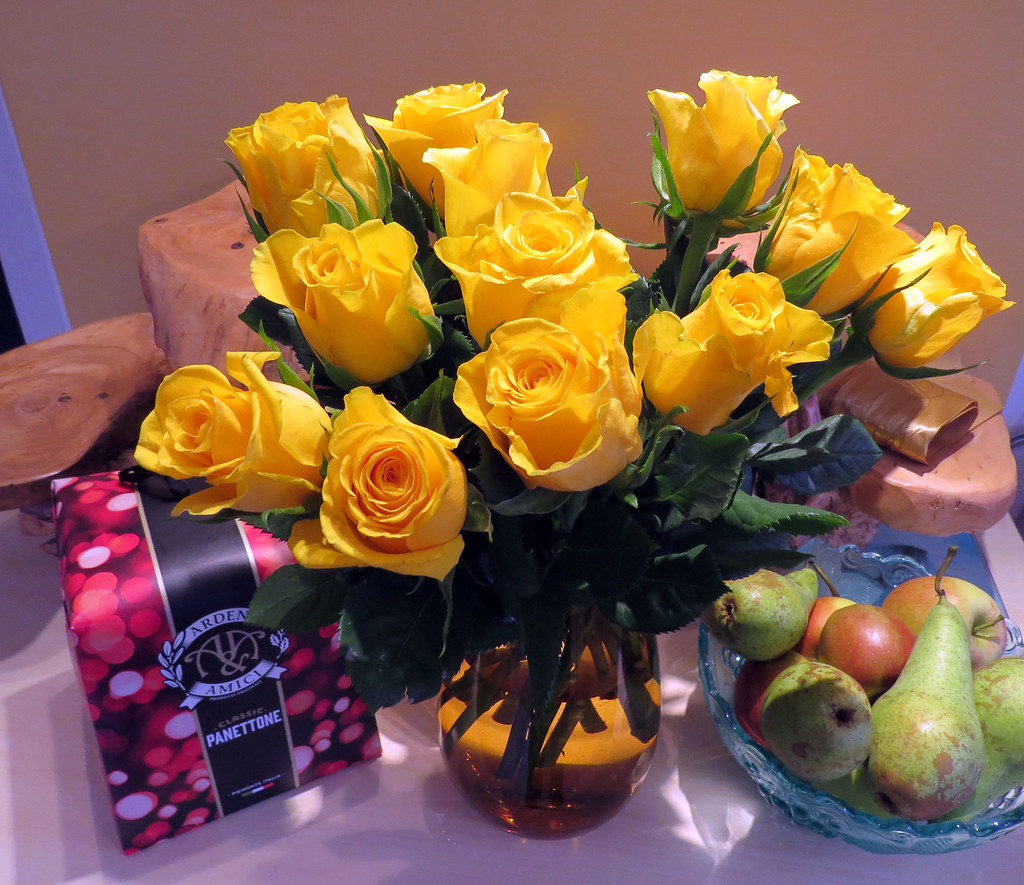
A floral arrangement can be a temporary way to brighten a shared space, but check whether flowers are welcome and whether anyone will be home to receive them. Our Christmas rose ideas and rose gift guide can help you plan the gesture.
Keep personal gifts inclusive
If you choose a photograph or memory gift, make sure it feels meaningful to both recipients. A private joke involving only one person may leave the other feeling like an afterthought. Include both names in the card and write something about the time you have enjoyed together.
- Choose a photograph both people would be comfortable displaying.
- Check name spellings before personalising an item.
- Avoid messages that make assumptions about marriage, children or future plans.
- Let the gift be a celebration rather than advice about their relationship.
One shared gift or two small ones?
If you cannot identify a shared interest, two modest, personal presents may be the better choice. There is no requirement to turn a couple into a single set of preferences. You can still present the gifts together and include a shared card.
The final test is simple: can you picture both people enjoying the gift without needing to rearrange their lives around it? Choose the option that fits their everyday world, and let the thoughtfulness come from what you noticed.