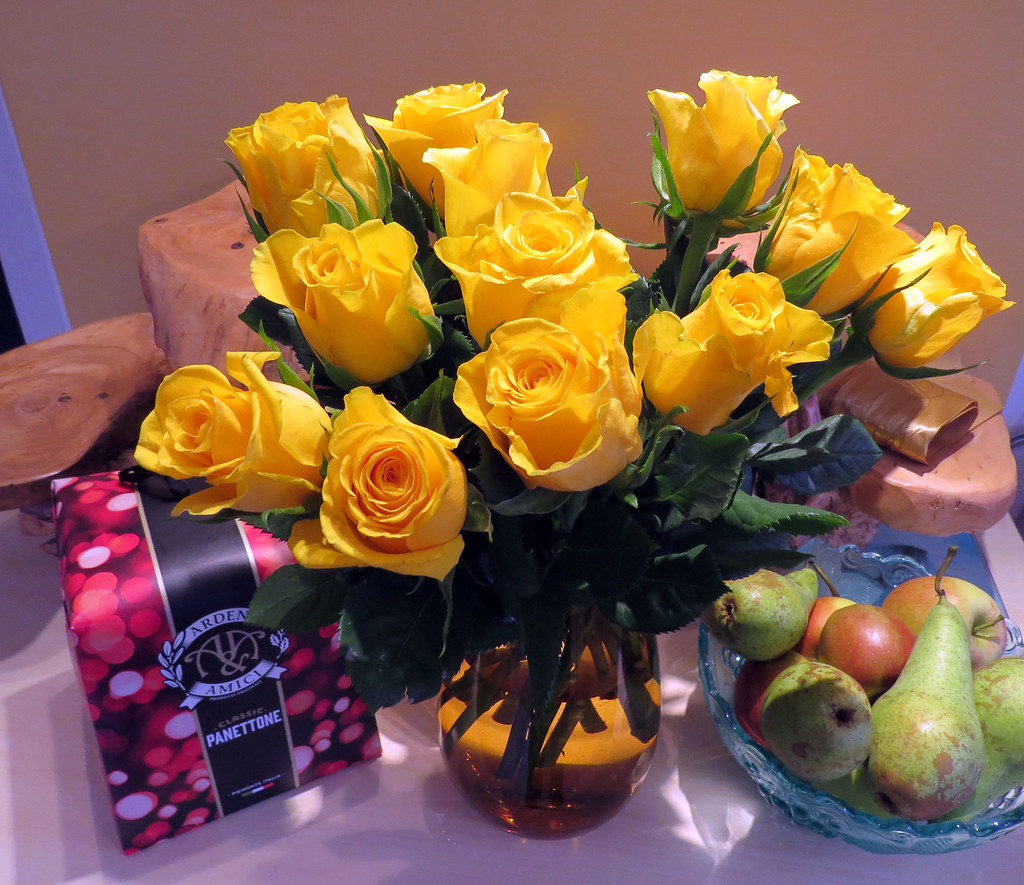
A homemade Christmas hamper gives you control over every item, but that freedom can quickly become a collection of unrelated extras. Start with a clear theme and the person who will receive it. A small, well-chosen hamper often feels more personal than a large basket filled to look generous.
Decide on your total budget before choosing the container. Include the cost of packaging and delivery so the finishing touches do not consume money you wanted to spend on the contents.
Choose a theme based on an existing interest
Think about what the recipient already enjoys doing. A reading evening, a relaxed breakfast, a creative afternoon or a picnic can each provide a useful theme. Avoid choosing an aspirational hobby they have never mentioned simply because the items look attractive together.
For a reading hamper, you might select one book, a handmade bookmark and a familiar snack. For a breakfast theme, choose a few shelf-stable favourites and add a handwritten invitation to share a meal. The theme should make the choices easier, not force you to buy matching versions of everything.
Build around one main item
Select the item that makes the hamper feel complete on its own. Then add two or three smaller things that genuinely support it. If you cannot explain why an extra belongs, leave it out.
- Reading evening: a chosen book, a bookmark and a personal note.
- Creative afternoon: suitable materials for a hobby the recipient already practises.
- Shared breakfast: familiar pantry items and a plan to enjoy them together.
- Memory collection: printed photographs, short stories and a small keepsake.
Our guide to gifts for someone who has everything offers useful ways to think about preferences and clutter, even when the occasion is Christmas.
Check food, fragrance and personal preferences
Do not assume that a popular treat suits everyone. Ask about allergies, dietary requirements and dislikes before selecting food. Keep ingredients and original labels available so the recipient can make their own decisions. Follow the storage instructions and check expiry dates before packing.
Fragrance can be equally personal. If you are unsure about candles, scented products or toiletries, choose something else. A hamper does not need food, alcohol or fragrance to feel festive.
Choose the packaging after the contents
Lay out the items before buying a box or basket. That helps you choose a container that fits properly without needing large amounts of filler. A reusable bag, storage box or simple tray may be more useful than a decorative container the recipient has nowhere to keep.
Protect fragile items and keep heavier pieces stable. If you are posting the hamper, choose a sturdy outer box and check the carrier’s requirements for the contents. For overseas deliveries, review destination restrictions rather than assuming that food and plant products can be sent.
Add one detail that explains the gift
A card can connect the contents: “A few things for the quiet reading afternoon we keep talking about,” or “Breakfast is on me next time we catch up.” The message turns a selection of items into a personal invitation.
If flowers belong in the gift, consider giving them separately so they can be handled appropriately. Our Christmas rose gift article offers floral inspiration, while the rose selection guide covers practical arrangements.
Finish by removing anything that feels like padding. A good hamper has a clear purpose, contains things the recipient can enjoy and arrives without creating extra work. That is more important than filling every corner of the basket.