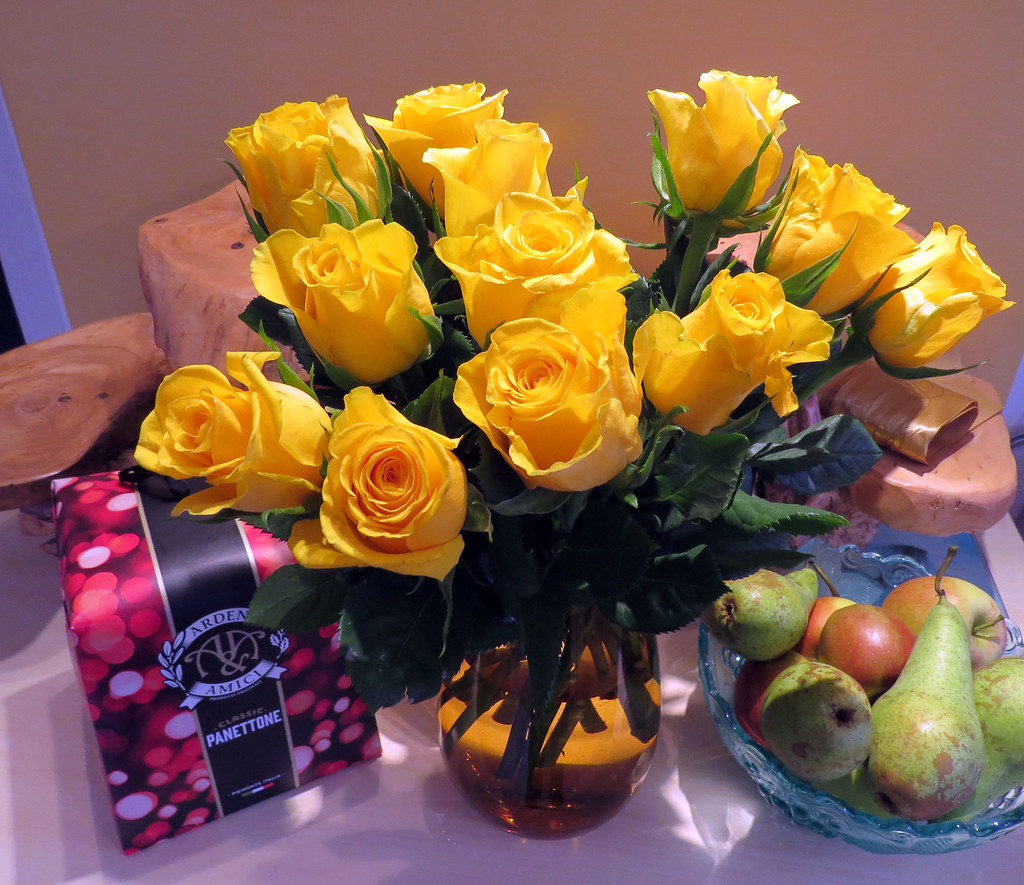
A card with roses does not need to sound like poetry. A few honest words can explain why you chose the flowers and what the recipient means to you. The most useful starting point is the occasion: are you celebrating, saying thank you, offering encouragement or simply letting someone know they are on your mind?
Write as you would speak to that person. If you rarely use grand declarations, a dramatic quotation may sound less personal than a short, ordinary sentence. The examples below are starting points to adapt, not messages you need to copy word for word.
For a birthday, celebrate something specific
Begin with a birthday wish, then add a detail that belongs to the recipient. Mention a quality you appreciate or something you hope they will enjoy in the coming months. Keep the message warm without turning it into advice about how they should spend their life.
Happy birthday. You make ordinary days more fun, and I hope today brings you some of the kindness you give everyone else.
For a partner, you could write: “Happy birthday to my favourite person to share a quiet evening with. I am looking forward to celebrating with you tonight.” Pair the note with a plan from our birthday-at-home guide if a relaxed celebration suits them.
For an anniversary, connect a memory with the present
An anniversary card becomes more personal when it names something you have shared. You might mention the place you first met, a journey you still talk about or an everyday habit you have come to treasure. Avoid making the message a list of milestones.
I still smile when I think about our first weekend away. I love the life we are building in all the ordinary days between adventures. Happy anniversary.
If your relationship is more playful than sentimental, let that show. A familiar joke can be affectionate as long as it is kind and the recipient will enjoy seeing it written down.
For a thank-you, name the kindness
Explain what the person did and how it helped. “Thank you for being there” is warm, but “Thank you for checking in during my move; your calls made the week feel less overwhelming” tells them what you noticed.
You do not need to match the size of the favour with the length of the message. A clear acknowledgement is enough. Avoid wording that turns gratitude into a promise of repayment unless that is what you intend.
For friendship or encouragement, remove the pressure
A friend going through a demanding time may appreciate a message that does not require an immediate response. Try: “These made me think of you. No need to reply today; I just wanted to send a little kindness your way.”
Do not claim to know exactly how someone feels, and avoid telling them to cheer up. If you are offering help, make it specific and realistic. For more ideas, see our long-distance friendship gift guide.
When flowers accompany an apology
Keep the apology separate from the expectation of forgiveness. Name what you did, take responsibility and avoid explaining it away. Flowers cannot replace a conversation or a change in behaviour. Do not send a gift when the recipient has asked for no contact.
A suitable starting point might be: “I am sorry I let you down by cancelling without telling you. You deserved better communication. I understand if you need some space.” Only use wording that reflects what actually happened and what you are prepared to change.
A final check before the card goes in
Read the message aloud. Does it sound like you? Is the recipient’s name correct? Have you signed it, especially if the flowers are being delivered? Consider who might see the card and keep private details for a separate conversation.
Our rose selection guide can help with the arrangement itself. The flowers create the occasion; a few thoughtful words make the gesture yours.